Lucid Spaces
Hospitality Ambiance: Integrated Tech vs. Legacy Systems
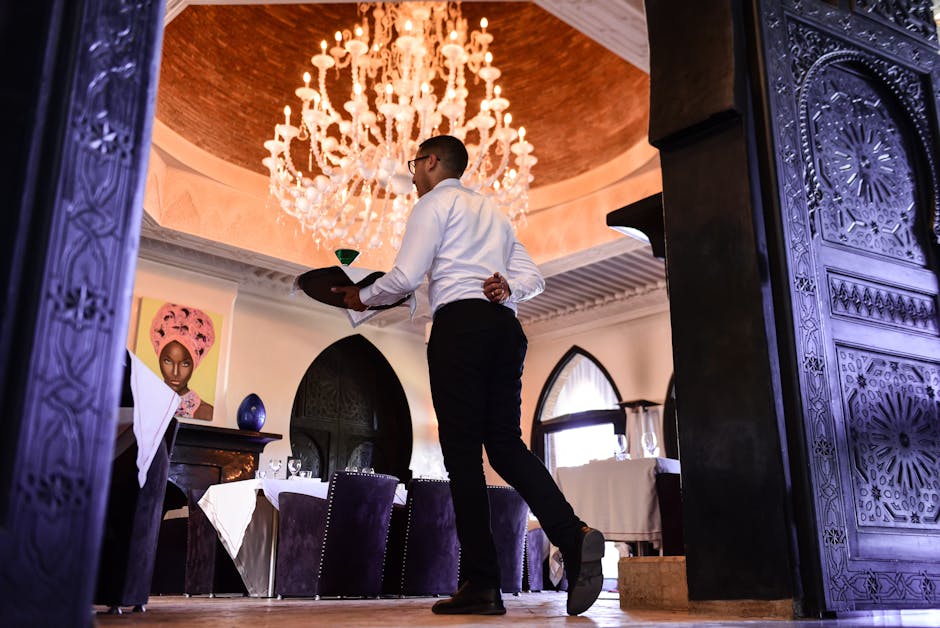

How unified ambiance technology outperforms disjointed vendor setups in protecting brand identity at scale
Discover how integrated ambiance technology compares to traditional, siloed approaches for managing lighting, sound, and climate. Learn which model delivers consistent brand identity across hospitality properties without micromanagement.
TL;DR
The real problem is ownership, not aesthetics - Most hospitality brands lack a clear owner for their sensory brand standard, leading to atmospheric drift that erodes guest trust across shifts and locations.
Integrated ambiance technology wins on six of seven criteria - Brand consistency, operational efficiency, scalability, personalization, deviation detection, and emotional impact all favor unified platforms over disjointed vendor stacks.
Traditional systems only make sense at small scale - If you're a single-property boutique with a hands-on owner, manual control can work. For everyone else, the hidden costs of fragmentation (staff time, brand erosion, vendor overhead) compound quickly.
Personalization and brand consistency aren't opposites - AI-driven platforms can adapt to individual guest preferences while staying within defined brand parameters, solving a tension that manual processes cannot address at scale.
Technology doesn't replace governance - Even the best integrated platform needs someone to define, maintain, and evolve the sensory brand standard. Assign ownership explicitly before investing in any system.
When Nobody Owns the Atmosphere, Everybody Loses
In hospitality ambiance, the most expensive problem isn't bad lighting or the wrong playlist. It's the gap between intent and execution, the space where nobody can say with certainty who owns the guest's sensory experience. The front desk adjusts the thermostat. The spa manager picks the music. A regional brand director specifies a scent that never quite hits the same way at each property.
If you're an operations or general manager at a high-end property, you've felt this tension. The brand guidelines describe a feeling. The reality is a patchwork of disconnected vendor contracts, staff workarounds, and manual overrides. The question isn't whether ambiance matters. It's whether your current approach can protect it at scale.
This comparison examines two fundamentally different ways to solve that problem: the traditional, disjointed approach (separate vendors, manual controls, siloed systems) versus integrated ambiance technology that unifies lighting, sound, and climate under a single intelligent layer. We'll evaluate each across the dimensions that matter most to the people responsible for making a brand feel like itself, every day, in every room.
Quick Verdict: Integrated Ambiance Technology vs. Traditional Disjointed Systems
Choose integrated ambiance technology if you manage multiple locations (or plan to), need brand consistency without micromanagement, and want your atmosphere to adapt to guest context rather than rely on staff memory. Choose traditional disjointed systems if you operate a single, small property with a hands-on owner who personally oversees every sensory detail and has no plans to scale.
For most hospitality operators reading this, the integrated path is the stronger choice. Here's the evidence.
Criterion | Traditional (Disjointed) | Integrated Ambiance Technology | Winner |
|---|---|---|---|
Brand Consistency | Depends on individual staff execution | Codified standards, centrally governed | Integrated |
Operational Efficiency | Manual adjustments, multiple vendor dashboards | Unified control, automated scheduling | Integrated |
Scalability | Breaks down across locations | Replicable atmospheric profiles | Integrated |
Personalization vs. Brand Guardrails | One or the other, rarely both | AI adapts within defined brand parameters | Integrated |
Deviation Detection | Noticed only by guests (too late) | Real-time monitoring and alerts | Integrated |
Total Cost of Ownership | Lower upfront, higher ongoing | Higher upfront, lower ongoing | Context-dependent |
Guest Emotional Impact | Inconsistent, accidental | Intentional, measurable | Integrated |
How We Evaluate: The Criteria That Actually Matter
Most comparisons in this space focus on hardware specs or individual sensory channels. That misses the point. The real question is whether your atmospheric approach protects your brand and reduces your operational burden simultaneously. We selected seven dimensions, weighted toward what operations managers and GMs tell us keeps them up at night.
Brand Consistency: Can the system ensure your lobby in Miami feels like your lobby in Tokyo?
Operational Efficiency: How many hours per week does your team spend on manual atmospheric adjustments?
Scalability: Does the approach survive expansion to new properties or renovated spaces?
Personalization vs. Brand Guardrails: Can you adapt to individual guests without losing your atmospheric signature?
Deviation Detection: How quickly do you know when the atmosphere drifts from the standard?
Total Cost of Ownership: What's the real five-year cost, including staff time, vendor management, and brand erosion?
Guest Emotional Impact: Does the approach create deliberate emotional experiences or accidental ones?
Head-to-Head: Brand Identity in Hospitality and Atmospheric Consistency
Brand Consistency
Traditional approach: Brand standards exist in a PDF. Maybe a style guide covers visual identity, and a separate vendor agreement specifies a signature playlist. But the lighting vendor doesn't talk to the audio vendor. The result: a sensory experience that varies by shift, by season, by whoever last touched the controls. As one industry analysis notes, hospitality brands are increasingly turning to IoT and AI integration precisely because static brand documents can't enforce atmospheric standards in real time.
Integrated approach: A unified platform codifies the brand's sensory identity as a living, executable standard. The platform defines lighting color temperature, audio genre and volume curves, and climate targets together, not in isolation. Changes propagate across locations instantly. When a property deviates (a staff member overrides the lobby playlist, for example), the system flags it. The brand standard isn't a suggestion. It's an active, enforceable layer.
Verdict: Integrated wins decisively. Fragmented ambiance systems silently undermine brand identity because no single person or system has visibility across all sensory channels simultaneously.
Operational Efficiency
Traditional approach: Operations managers become accidental DJs, thermostat adjusters, and vibe troubleshooters. Each sensory channel has its own vendor portal, its own support line, its own maintenance schedule. A lighting issue means one call. The cognitive load is real, and it pulls managers away from guest-facing work. Multiply this across properties and the inefficiency compounds.
Integrated approach: A single dashboard controls every atmospheric element. The platform automates scheduling. Seasonal transitions happen with a profile change, not a week of manual recalibration. The ambient intelligence industry, projected to reach $225 billion by 2028, is growing precisely because operators demand this kind of consolidation. Staff time shifts from adjusting the atmosphere to engaging with guests.
Verdict: Integrated wins. The time savings alone justify the transition for most multi-location operators.
Scalability
Traditional approach: Opening a new property means rebuilding the sensory stack from scratch. New vendor relationships, new hardware procurement, new staff training. The brand's atmospheric DNA doesn't travel well because no one ever codified it in a portable, executable format. Each property becomes its own island of interpretation.
Integrated approach: Atmospheric profiles are digital assets. A new property inherits the brand's sensory standard on day one, with adjustments for local architecture and climate. The global hospitality market's expansion to nearly $5 trillion in 2024 means brands are scaling faster than ever, and their atmospheric identity needs to keep pace.
Verdict: Integrated wins. Scalability is where the gap between approaches becomes a chasm.
Personalization vs. Brand Guardrails
Traditional approach: Personalization typically means a staff member remembering that a returning guest prefers a cooler room. It's charming but fragile. It doesn't scale, and it creates a tension: the more you personalize manually, the more you risk drifting from the brand's atmospheric signature. There's no mechanism to adapt within boundaries because the boundaries aren't encoded anywhere a system can reference.
Integrated approach: This is where intelligent platforms excel. AI-driven systems can adjust lighting warmth or audio tempo based on guest preferences, time of day, or occupancy patterns, all while staying within defined brand parameters. The brand sets the range. The system adapts within it. This solves the personalization-consistency tension that no amount of manual effort can address at scale.
Verdict: Integrated wins. This is the single most important differentiator for brands that want both recognition and relevance.
Deviation Detection
Traditional approach: You find out the lobby smells wrong when a guest complains. You discover someone replaced the spa playlist with their personal Spotify when a brand auditor visits. Deviation detection in traditional systems is reactive, slow, and often too late. By the time you notice, the damage to guest perception has already occurred.
Integrated approach: Real-time monitoring tracks every sensory channel against the defined standard. Alerts fire when parameters drift. A platform like Lucid Spaces can function as an autopilot for ambiance, detecting and correcting deviations before they reach the guest's conscious awareness. The atmosphere self-heals instead of waiting for someone to notice it's broken.
Verdict: Integrated wins. Proactive detection is categorically better than reactive discovery.
Total Cost of Ownership
Traditional approach: The upfront cost is often lower. Individual vendor contracts can seem affordable in isolation. But add the hidden costs: staff time spent on manual adjustments, brand erosion from inconsistency, vendor management overhead, and the compounding cost of re-training new employees on atmospheric standards that live in someone's head rather than in a system. Over five years, the traditional approach is frequently more expensive.
Integrated approach: Higher initial investment in platform licensing and integration. But ongoing costs drop significantly. Fewer vendor relationships to manage. Less staff time on atmospheric maintenance. More predictable budgeting. The ROI accelerates with each additional property, as the marginal cost of replicating the atmospheric standard approaches zero.
Verdict: Context-dependent. For single-property operators with tight budgets, traditional may cost less in year one. For anyone else, integrated wins on a three-to-five-year horizon.
Guest Emotional Impact
Traditional approach: Emotional impact happens accidentally. A talented manager might create a beautiful moment through intuition and effort. But it's not repeatable, not measurable, and not transferable. The atmosphere is only as good as whoever is on shift. Emotionally intelligent systems represent a fundamentally different model: one where the system designs the atmosphere to evoke specific feelings, consistently.
Integrated approach: Atmosphere becomes an intentional emotional tool. Lighting transitions, soundscapes, and mood profiles shape specific feelings at specific moments in the guest journey. Check-in feels welcoming. The spa feels restorative. The restaurant feels alive. These aren't accidents. They're designed outcomes, delivered reliably.
Verdict: Integrated wins. Intentional emotional design outperforms accidental atmosphere every time.
Use Case Mapping: Which Approach Fits Your Situation
If you operate 3+ properties and need brand recognition across locations, choose integrated ambiance technology. The ability to codify and replicate your atmospheric DNA is non-negotiable at this scale.
If you're a boutique single-property hotel with an owner-operator who personally curates every detail, traditional systems may suffice. The personal touch is your brand, and the overhead of integration may not justify itself.
If you're expanding into new markets and want consistent guest experiences from day one, choose integrated. New properties inherit the atmospheric standard immediately rather than spending months calibrating.
If you're navigating the tension between guest personalization and brand consistency, choose integrated. No manual process can adapt to individual preferences while enforcing brand guardrails simultaneously.
If your current systems work but you have no way to detect atmospheric drift, consider a phased integration. Start with monitoring and alerting before overhauling the full sensory stack. Neither approach excels when no one has defined the underlying brand sensory standard in the first place. That foundational work must happen regardless of which technology path you choose.
What Both Approaches Get Wrong
Neither traditional nor integrated systems solve the governance question on their own. Who owns the sensory brand standard? Is it the brand team, the operations team, or the design team? Technology can enforce a standard, but someone still needs to define it, maintain it, and evolve it over time. Most hospitality organizations lack a clear owner for this responsibility.
Both approaches also underserve the training dimension. Staff need to understand the "why" behind atmospheric choices, not just the "how." Without that understanding, overrides and workarounds will persist regardless of the technology in place.
Migration and Switching: What It Actually Takes
Moving from traditional disjointed systems to an integrated platform involves real costs. Expect to invest in an atmospheric audit (documenting your current sensory state across all channels), hardware assessment (which existing devices can integrate, which need replacement), and profile development (translating your brand's intended atmosphere into executable parameters).
The typical migration timeline for a single property runs four to eight weeks. Multi-property rollouts can be phased over months. Data portability is generally not a concern because most traditional systems don't collect atmospheric data worth migrating. You're building a new foundation, not transferring an old one.
Lock-in factors vary by platform. Look for systems that use open protocols for lighting (DALI, DMX), standard audio formats, and API-accessible climate controls. The switching cost from integrated back to traditional is low (you just stop using the platform), but the switching cost from one integrated platform to another can be significant if proprietary hardware is involved. Ask about hardware independence before committing.
Final Recommendation
For operations managers and GMs at high-end hospitality properties, the case for integrated ambiance technology is strong and getting stronger. The ambient intelligence market's 32% CAGR reflects an industry that has recognized disjointed systems can't deliver the consistency, efficiency, or emotional precision that modern guests expect.
Choose traditional only if your scale is small, your involvement is personal, and your brand's atmospheric identity lives comfortably in one person's intuition. For everyone else, integration isn't a luxury. It's the infrastructure that makes brand identity in hospitality something you can protect, replicate, and evolve with confidence. The atmosphere should feel deliberate. That starts with owning it.
Frequently Asked Questions
What is sensory brand identity in the hospitality industry?
Sensory brand identity is the combination of lighting, sound, temperature, and tactile elements that create a recognizable atmospheric signature for a hospitality brand. It's the feeling a guest associates with your property, distinct from visual logos or color schemes. When codified and managed intentionally, it becomes a powerful differentiator that guests remember and seek out.
Why is integrated ambiance technology important for hotels?
Integrated ambiance technology unifies all sensory channels (lighting, audio, climate) under a single control layer, replacing the patchwork of disconnected vendors and manual adjustments that most hotels rely on. This matters because guests don't experience individual sensory channels in isolation. They experience the atmosphere as a whole. When fragmented systems split that experience, the atmosphere becomes inconsistent, and inconsistency erodes brand trust.
How can hotels create a cohesive sensory experience for guests?
Start by defining your atmospheric intent: what should each space feel like at each point in the guest journey? Then audit your current sensory state across all channels. The gap between intent and reality is your action plan. A unified platform that governs lighting, sound, and climate together ensures these elements work in concert rather than competing with or contradicting each other.
Who should own the sensory brand standard within a hospitality organization?
This is one of the most overlooked questions in hospitality operations. Ideally, sensory brand ownership sits at the intersection of brand strategy and operations, someone who understands both the emotional intent and the practical execution. Some organizations assign this to a Director of Guest Experience or a Brand Standards team. The key: make ownership explicit, not assumed, and give the designated owner authority to enforce standards across properties.
How does sensory branding influence customer loyalty in hospitality?
The brain processes sensory experiences differently than visual or textual information. Scent, in particular, is closely linked to memory and emotion. When a hotel delivers a consistent, intentional atmospheric experience, guests form stronger emotional associations with the brand. These associations drive preference and return visits in ways that loyalty points alone cannot replicate. The atmosphere becomes part of what guests are loyal to.
When should hotels consider updating their ambiance technology systems?
Consider updating when you notice any of these signals: staff spending significant time on manual atmospheric adjustments, inconsistency in guest experience across shifts or locations, inability to detect when the atmosphere drifts from brand standards, or difficulty replicating your atmospheric identity in new or renovated spaces. If your sensory brand standard exists only in someone's memory rather than in an executable system, that's the clearest signal of all.
Sources
https://www.netsuite.com/portal/resource/articles/erp/hospitality-industry-trends.shtml
https://lucidemotion.io/articles/why-your-perfect-brand-still-leaves-guests-feeling-nothing
https://hospitalityinsights.ehl.edu/hospitality-industry-statistics
https://lucidemotion.io/articles/7-ways-ai-driven-personalization-enhances-guest-interactions
https://lucidemotion.io/spaces
https://lucidemotion.io/articles/why-emotional-ai-matters-for-guest-experiences-in-hospitality
https://www.techmagic.co/blog/hospitality-cloud-pms-migration
https://navistratanalytics.com/report_store/ambient-intelligence-market/