Lucid Spaces
Hospitality Churn Rate: Identify What's Missing

Hospitality's 55% retention crisis isn't about service failures—it's about forgettable experiences that form no memories worth returning to.
Discover why optimizing amenities and service speed won't fix hospitality's retention problem. Learn how intentional ambiance design creates emotional connections that transform churn rate into customer lifetime value.
TL;DR
Churn rate reflects emotional neglect - Guests leave because experiences feel forgettable, not because something went wrong
Optimization isn't differentiation - When every brand offers frictionless service, frictionless becomes invisible and unremarkable
Atmosphere drives retention - The sensory experience of a space shapes memory more than amenities or loyalty points
Orchestration over optimization - Intentionally designing how each moment feels transforms customer lifetime value more than fixing operational problems
The Quiet Exodus No One Talks About
Your guests aren't leaving because of what went wrong. They're leaving because nothing felt right.
This is the uncomfortable truth behind hospitality's 55% retention rate, the lowest of any industry worldwide. The churn rate isn't climbing because of service failures or pricing problems. It's climbing because experiences have become forgettable.
And forgettable is the most expensive thing a hospitality brand can be.
The Optimization Trap
The industry's response to declining retention rates has been predictable: optimize harder. More loyalty points. Faster check-ins. Better thread counts. Smoother booking flows.
These improvements matter. They reduce friction. But friction reduction isn't the same as emotional connection.
We've spent a decade perfecting the mechanics of hospitality while neglecting its soul. The result? Guests move through spaces that function beautifully but feel like nowhere in particular. Every touchpoint works. Nothing resonates.
This approach made sense when differentiation came from amenities and service speed. It doesn't anymore. When everyone offers the same optimized experience, optimization becomes invisible. Expected. Forgettable.
Churn Rate Is a Symptom, Not a Disease
Here's what I actually believe: your churn rate is a direct measurement of emotional neglect.
It's not telling you that guests found a better deal elsewhere. It's telling you they didn't form a memory worth returning to. Customer lifetime value doesn't erode because of what competitors offer. It erodes because of what you failed to make guests feel.
The brands sustaining 95.6% renewal rates aren't doing it through better loyalty math. They're doing it through intentional experience design that creates emotional stakes in the relationship.
The Architecture of Feeling
I've watched this pattern repeat across dozens of hospitality brands. The ones bleeding guests focus on transactions. The ones building customer lifetime value focus on atmosphere.
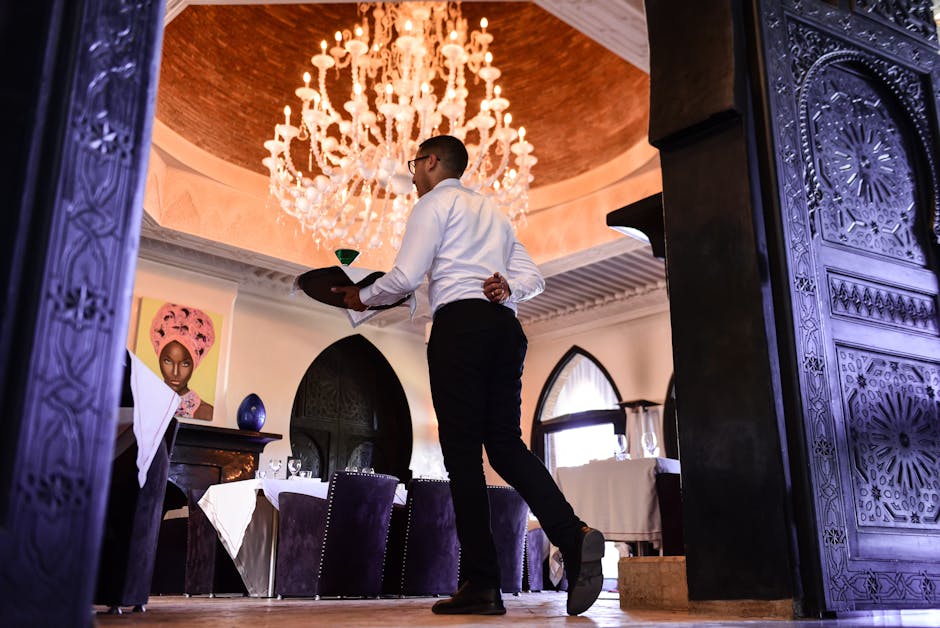
Consider what actually happens when a guest enters your space. Before they speak to anyone, before they see their room, before they taste anything, they've already formed an impression. The light quality. The ambient sound. The temperature on their skin. The scent in the air.
These sensory inputs aren't decoration. They're the first chapter of a story your brand is telling. And most hospitality spaces are telling no story at all, just neutral competence that registers as nothing.
Research on B2B retention confirms what intuition suggests: consistent value delivery increases retention. But "value" in hospitality isn't just clean rooms and working WiFi. It's the feeling that this place knows who it is and who you are within it.
The brands winning the retention game have figured this out. They're not optimizing touchpoints in isolation. They're owning the entire journey and orchestrating how each moment feels.
This is where tools like Lucid Spaces become relevant. The platform translates emotional intent into tangible atmosphere, adjusting lighting, sound, and ambiance to create consistency without constant management. It's one approach to solving a problem most brands don't even realize they have: their spaces feel accidental rather than intentional.
The math is stark. A 5% decrease in churn rate can boost revenue by 25 to 95 percent. That's not incremental improvement. That's transformation. And it comes not from fixing what's broken but from designing what's felt.
What Changes If This Is True
If churn rate reflects emotional neglect, then your retention strategy needs to start with a question most hospitality brands never ask: What do we want guests to feel, specifically, at each moment of their stay?
Not "satisfied." Not "comfortable." Those are outcomes, not intentions. I mean the actual emotional texture. Calm anticipation at arrival. Gentle energy at breakfast. Contemplative stillness in the evening.
Without this clarity, you're leaving atmosphere to chance. And chance produces forgettable. Forgettable produces churn.
The metrics that actually matter aren't satisfaction scores. They're emotional specificity: do guests describe your space in generic terms or vivid ones? Do they remember how they felt or just what they did?
This reframe has operational implications. It means atmosphere management becomes as systematic as housekeeping. It means sensory design gets the same strategic attention as service training.
From Optimization to Orchestration
The mental model shift is this: stop thinking about guest experience as a series of problems to solve and start thinking about it as a feeling to compose.
Orchestration, not optimization. Composition, not correction.
This doesn't mean abandoning operational excellence. It means recognizing that operational excellence is the baseline, not the differentiator. The brands building real customer lifetime value are the ones who've moved past "everything works" to "everything means something."
Your space should feel like a deliberate sentence, not a random collection of words.
The Real Cost of Forgettable
Hospitality saw a 20% decrease in retention rates last year alone. That's not a market correction. That's an industry losing its grip on why people return.
The brands that reverse this trend won't do it with better loyalty programs or sharper pricing. They'll do it by becoming unforgettable. By designing experiences that create memories worth protecting.
Churn rate is a choice. It's the accumulated result of every moment you left to chance instead of shaping with intention. Master the feeling, and retention follows.
Frequently Asked Questions
Why are customer lifetime value and retention rates important for hotels?
Customer lifetime value represents the total revenue a guest generates across all their visits. Higher retention rates compound this value dramatically because returning guests cost less to acquire and typically spend more per stay.
How can hotels improve their loyalty program's return on investment?
Shift focus from transactional rewards to emotional resonance. Guests return for how a place made them feel, not just the points they accumulated.
Which metrics should hotels focus on to measure loyalty program success?
Look beyond enrollment numbers to emotional specificity in reviews, return visit intervals, and dwell time patterns. These reveal whether guests are forming memories or just completing transactions.
Sources
https://thepetrovaexperience.com/customer-experience-strategy/customer-retention-2025
https://customergauge.com/blog/average-churn-rate-by-industry
https://lucidemotion.io/articles/why-journey-ownership-is-key-to-building-customer-loyalty
https://www.qualtrics.com/articles/customer/30-statistics-about-customer-churn/
https://lucidemotion.io/articles/5-guest-experience-metrics-that-reveal-emotional-impact
https://lucidemotion.io/articles/how-operational-efficiency-enhances-guest-experience