Lucid Spaces
Why Hospitality Design Should Be Localized


The shift from global uniformity to place-based design is redefining what makes guests feel truly welcome
Discover why the most memorable hotel experiences honor local culture rather than erase it. This POV explores how integrating localization and multilingual services into hospitality design creates deeper guest connections.
TL;DR
Localization is the new luxury standard - The most memorable hospitality experiences amplify place rather than erase it, moving beyond uniform global aesthetics.
Consistency needs redefinition - Brand consistency means reliably delivering emotional resonance, not identical design across every property.
Multilingual interfaces matter deeply - Language shapes emotional experience far beyond translated signage; it determines whether guests feel welcomed or merely accommodated.
Localization protects revenue - Generic, interchangeable properties compete only on price; place-grounded experiences command premium positioning and drive loyalty.
The Paradox of Global Hospitality
Walk into any international hotel chain and you can often tell the brand before you see the logo. The same marble tones, the same lobby playlist, the same scent diffusing from hidden vents. This consistency was once considered the pinnacle of hospitality design standards. But here's the tension: guests increasingly report feeling like they could be anywhere, which means they feel like they're nowhere in particular.
The Era of Standardization Made Sense
For decades, the hospitality industry pursued uniformity as a virtue. A guest in Tokyo should feel the same comfort as a guest in Toronto. This approach solved real problems: quality control, brand recognition, operational efficiency across multi-brand hotel management systems.
The logic was sound. Travelers wanted reliability. They wanted to know exactly what they were getting. And hotels delivered, creating scalable hospitality solutions that could be replicated across continents with minimal friction.
But something shifted. Hospitality new construction activity remains low in 2025, with renovation taking center stage. This isn't just an economic signal. It's a design philosophy in transition.
Localization Is the New Luxury Standard
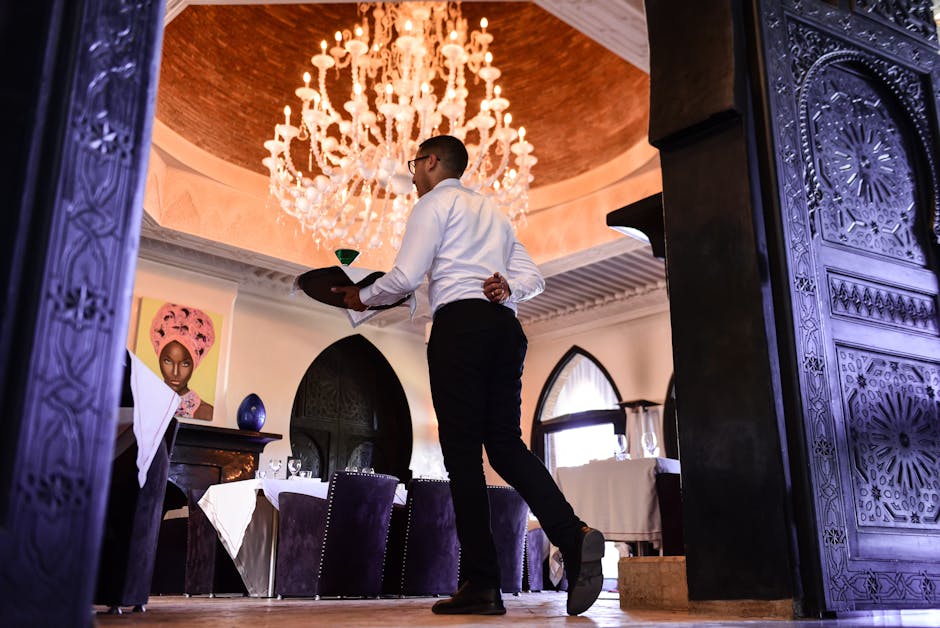
Here's what I actually believe: when hospitality design prioritizes localization, every guest feels at home. Not because the space mimics their living room, but because it honors where they are. The most memorable stays don't erase place. They amplify it.
Why Context-Specific Design Wins
Hilary Kroll of INC Architecture & Design captured this shift precisely: "Hospitality design in 2025 was defined by a shift toward context-specific design. The industry moved beyond uniform global aesthetics, with the most compelling projects establishing design narratives around local culture, history, and place."
Consider the recently opened Nekajui Peninsula Papagayo, a Ritz-Carlton Reserve. The property doesn't import a generic luxury template to Costa Rica. Instead, it creates refined yet relaxed environments through materiality, lighting, and spatial planning tailored to the guest journey. Local context becomes the foundation, not an afterthought.
This approach requires more than swapping out artwork or adding regional cuisine to the restaurant menu. It demands that localized hotel services extend into every sensory touchpoint: the way light enters a room, the ambient sounds that greet you at check-in, the temperature that welcomes you back after a day of exploration.
HBA International led 2025 hospitality design giants with $126.6 million in design fees. Their success reflects a market that rewards firms willing to invest in place-specific narratives rather than cookie-cutter deployments.
Kathy Chavez, Studio Director at Wimberly Interiors Dallas, puts it directly: "Guests crave authenticity, and storytelling has become the cornerstone of design. By thinking local, we can create spaces that tell stories with real meaning, stories that resonate with guests seeking an immersive, meaningful connection to their destination."
The data supports this instinct. Properties that invest in atmosphere as living infrastructure see measurable returns in guest loyalty and premium pricing power. The question isn't whether localization matters. It's how to execute it at scale.
The Multilingual Layer Most Hotels Miss
Multilingual interfaces in hotels often stop at translated signage and bilingual staff. But language shapes emotional experience far more deeply than most operators acknowledge.
When a guest's native language appears not just on a menu but woven into the digital compendium, the in-room controls, the ambient messaging, something psychological shifts. They're not navigating a foreign system. They're being welcomed in their own terms.
This is where technology becomes invisible infrastructure. AI-driven personalization can now adapt not just what guests see, but how the entire environment responds to their preferences, including linguistic and cultural ones. The space itself becomes a translator of intent.
What Changes If This Is True
If localization is the new standard, then global hotel brand consistency needs redefinition. Consistency doesn't mean sameness. It means reliably delivering emotional resonance, whatever form that takes in a given place.
For Chief Experience Officers and Brand Directors, this reframe carries real stakes. Brand dilution doesn't come from local variation. It comes from experiences so generic they fail to register in memory. Research on guest experience psychology shows that emotionally intense, place-grounded stays form lasting memories, while consistently pleasant but undifferentiated ones simply fade.
The cost of ignoring this? Revenue leakage through commoditization. When your property feels interchangeable with competitors, price becomes the only differentiator.
A New Mental Model for Hospitality Design
Think of localization not as customization, but as calibration. You're not building different hotels. You're tuning the same instrument to different rooms.
The best hospitality design standards in 2025 function like a responsive system: core principles remain constant (emotional comfort, intentional ambiance, seamless service), while expression adapts to context. Light behaves differently in Papagayo than in Paris. Sound carries different meaning in Tokyo than in Toronto. Temperature preferences shift with culture and climate.
This is the reframe worth holding: localization is not a departure from brand standards. It is the highest expression of them.
Making Every Guest Feel at Home
The properties that will define the next decade of hospitality won't be the ones that perfect uniformity. They'll be the ones that master the art of intentional variation, creating spaces where guests feel both the specificity of place and the comfort of being truly seen.
That's not a contradiction. That's hospitality design working as it should.
Frequently Asked Questions
Why is a consistent guest experience important for hotels operating in different countries?
Consistency builds trust and brand recognition, but true consistency means reliably delivering emotional resonance, not identical aesthetics. Guests should feel the same quality of care while experiencing place-specific design.
How can hotel ownership groups effectively manage technology across multiple brands?
Scalable hospitality solutions work best when core systems remain standardized while guest-facing elements adapt to local context. This allows operational efficiency without sacrificing the localized experiences guests increasingly expect.
When should hotels consider implementing standardized design and technology across properties?
Standardization makes sense for back-of-house operations and core service delivery. However, guest-facing touchpoints benefit from calibration to local culture, language, and sensory preferences.
Sources
https://interiordesign.net/research/interior-design-2025-hospitality-giants/
https://lucidemotion.io/articles/why-atmosphere-drives-loyalty-in-high-end-guest-services
https://lucidemotion.io/articles/7-ways-ai-driven-personalization-enhances-guest-interactions
https://lucidemotion.io/articles/why-guests-forget-perfect-stays-and-remember-imperfect-ones