Lucid Spaces
Hospitality Branding Hacks: Avoiding Sensory Fragmentation

The hidden crisis of sensory fragmentation across hospitality properties and how to rebuild brand soul
Discover why hotels obsessing over visual brand standards still feel hollow across locations. Learn how sensory marketing creates the emotional consistency that logos and color palettes cannot deliver.
TL;DR
Visual consistency is necessary but insufficient - Guests remember feelings, not logos, and sensory elements drive 70% better brand recall than single-sense engagement
Sensory marketing is brand identity - Lighting, sound, scent, and spatial design create the emotional signature that defines your brand across locations
Dynamic sensory systems protect brand equity - Treating atmospheric elements as infrastructure rather than decoration ensures consistent emotional experiences without constant management
The question has changed - Stop asking "does this look like us?" and start asking "does this feel like us?"
The Invisible Fracture in Luxury Hospitality
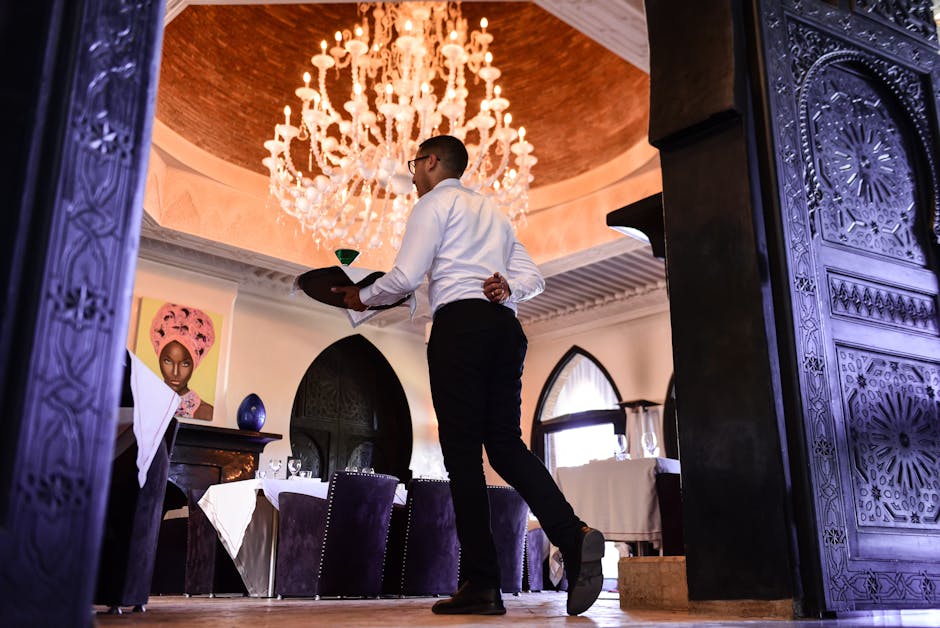
Walk into any flagship property of a renowned hotel brand and you feel it immediately. The lighting wraps around you. The ambient sound settles your nervous system. A subtle scent triggers something you cannot name but recognize deeply.
Now visit their second location across the country. The logo is identical. The furniture matches the brand book perfectly. Yet something essential has vanished. The space feels hollow, generic, forgettable.
This is the crisis hiding in plain sight across hospitality: brands obsessing over visual consistency while their sensory soul fragments across every property.
The Visual Consistency Trap
The hospitality industry has spent decades perfecting visual brand standards. Pantone colors specified to the decimal. Logo placement measured in millimeters. Typography guidelines spanning forty pages.
This approach made sense when brand identity lived primarily in print and signage. Marketing teams could control the visual touchpoints with precision. The assumption was simple: if it looks right, it feels right.
Major brands invested millions in these visual systems. They trained staff, audited properties, and celebrated consistency as the ultimate metric of brand integrity. Using specific colors in branding can enhance brand recognition by 80%, which seemed to validate the entire approach.
But visual consistency was never the whole story. It was simply the part we could easily measure and enforce.
Sensory Marketing Is Brand Identity, Not Brand Enhancement
Here is what I actually believe: visual consistency without sensory coherence is brand theater, not brand building. Your guests do not remember your logo. They remember how your space made them feel.
The research confirms what intuition already knows. Multisensory experiences improve brand recall by up to 70% compared to single-sense engagement. Your carefully specified shade of navy blue cannot compete with the emotional imprint of walking into a space that sounds, smells, and feels unmistakably yours.
The Evidence Hiding in Guest Behavior
Consider what happens when a guest enters your lobby. Within seven seconds, their brain has processed the temperature, the acoustic environment, the quality of light, and any ambient scent. This sensory cocktail creates an emotional response before they consciously notice your brand standards.
84% of consumers say sensory elements directly influence their purchase decisions. Not brand colors. Not logo placement. The lighting, scent, music, and spatial design that shape how they feel in your environment.
I have watched Experience Directors pour resources into visual refreshes while their properties hemorrhage brand equity through inconsistent soundscapes. One location plays ambient electronic music. Another defaults to whatever the morning manager prefers. A third has a broken speaker creating an almost imperceptible buzz that guests cannot identify but absolutely feel.
Each of these properties passes every visual brand audit with flying colors. Each delivers a fundamentally different emotional experience.
Brands that prioritize sensory marketing see a 40% boost in customer loyalty. This is not a marginal improvement. This is the difference between guests who return instinctively and guests who shop around.
The pattern becomes clear when you examine guest feedback across multi-location brands. Complaints rarely mention that the logo looked different. They describe feeling rushed, feeling cold, feeling like the space lacked the warmth they experienced at another property. These are sensory failures wearing emotional language.
Traditional visual brand guidelines fail to protect the emotional experience guests associate with your brand. They protect recognition. They do not protect resonance.
What Changes When Sensory Becomes Primary
If this perspective holds, the implications reshape how hospitality brands approach consistency entirely.
Brand guidelines must expand beyond what guests see to encompass what they hear, smell, and feel. This means specifying not just color temperatures but actual lighting scenes. Not just "ambient music" but curated soundscapes that translate your brand's emotional signature into auditory experience.
It means treating a signature scent with the same precision as a signature typeface. 84% of consumers are more likely to remember a brand if it has a scent associated with it. Yet most hospitality brands leave scent to individual property discretion.
The cost of ignoring this is not abstract. It is measurable in repeat booking rates, in net promoter scores that vary wildly across locations, in the slow erosion of brand premium that happens when guests cannot trust that your brand will deliver the same feeling twice.
Dynamic Sensory Systems as Brand Infrastructure
The old model treated sensory elements as decoration. The new model treats them as infrastructure.
Think of it this way: your brand identity is not a static image. It is an emotional frequency that must be broadcast consistently across every touchpoint. Atmospheric design elements are critical infrastructure rather than decorative afterthoughts.
This frequency needs to adapt to context while remaining unmistakably yours. Morning energy differs from evening calm. A spa environment requires different sensory calibration than a restaurant. But the underlying emotional signature, the feeling that says "this is us," must translate across every variation.
Dynamic sensory systems make this possible. They orchestrate lighting, sound, and scent in real time while maintaining the emotional consistency that static brand guidelines cannot achieve. They translate intent into atmosphere without requiring constant management.
The Brand Directors Who Get This Right
The hospitality leaders protecting brand equity most effectively have stopped asking "does this look like us?" They ask "does this feel like us?"
They conduct sensory audits alongside visual audits. They specify emotional outcomes, not just aesthetic inputs. They recognize that emotionally intelligent, locally adapted brand experiences build more loyalty than rigid visual enforcement.
73% of consumers are more likely to purchase when the experience feels personal and multi-sensory. The brands winning in hospitality are the ones who understand that sensory coherence creates the feeling of personality. Visual consistency alone creates the feeling of corporate sameness.
Your brand lives in memory. Memory is sensory. Protect accordingly.
Frequently Asked Questions
What is sensory brand architecture in hospitality?
Sensory brand architecture is the deliberate design of how a hospitality space sounds, smells, feels, and looks to create a consistent emotional experience. It treats atmospheric elements as brand infrastructure rather than decoration.
How does sensory design impact guest experiences in hotels?
Sensory design shapes guest emotions within seconds of entering a space, often below conscious awareness. Guests remember how a space made them feel long after they forget visual details.
When should hotels conduct sensory audits for their environments?
Hotels should conduct sensory audits quarterly and whenever guest feedback indicates inconsistent experiences across locations. Regular audits catch the gradual drift that erodes brand equity over time.
Sources
https://www.amraandelma.com/sensory-system-marketing-statistics/
https://freeyourself.com/blogs/news/multi-sensory-branding-statistics
https://lucidemotion.io/articles/how-to-strengthen-your-brand-with-emotional-intelligence
https://lucidemotion.io/articles/5-atmospheric-design-elements-that-improve-guest-experience
https://lucidemotion.io/articles/how-flexible-brand-guidelines-boost-customer-loyalty